

What No One Tells You About Trauma Anniversaries (And How to Get Through Them)
Every year around the same time something shifts. You feel off, anxious, or heavier than usual and you can't quite explain why. It might be a trauma anniversary. Here's what that actually means.

Relationship Stress in the Fall: Why Transitions Bring Up Old Patterns
Fall has a way of bringing out old relationship patterns you thought you'd worked through. Here's why transitions hit relationships so hard and what you can do about it.

Why September Feels Like the Real New Year (And Why That Can Trigger Anxiety)
January gets all the attention but for a lot of people September is when the real new year begins. Here's why that shift can bring up so much more than just a new schedule.

Summer Burnout Is Real. And Fall Isn't Always the Reset We Hope For
We spend all summer waiting for fall to feel like a reset. But what if it doesn't? If you're heading into September already running on empty, here's what might actually be going on.

Why Anxiety Keeps Coming Back (And What Finally Helps)
You've tried the breathing exercises. You've read the books. You've done the work. So why does anxiety keep coming back? Here's what's actually going on and what finally helps.
CBT vs. EMDR: Which Therapy Is Right for You?
Two of the most well-researched therapies out there are CBT and EMDR. But they're not the same thing and knowing the difference could change how you approach your own healing.

The Hidden Emotional Weight of a New School Year (For Parents Too)
Everyone talks about back to school anxiety in kids. But what about the parents? The new school year brings up a lot for the adults in the room too and it deserves more than a passing mention.

How Trauma Lives in the Body (And Why Talking About It Isn't Always Enough)
You can understand exactly where your patterns came from and still feel stuck. That's not a failure of insight. That's trauma living in the body. Here's what that actually means and what can help.

Back to School Anxiety: What Parents and Teens Need to Know
A new school year brings a lot of feelings and not all of them are excitement. If your teen is dreading September or you're noticing more meltdowns at home, here's what might actually be going on and what can help.
What Is an EMDR Intensive — And Could It Be Right for You?
Weekly therapy is a great fit for a lot of people. But for some, there's a faster, deeper option. Here's what an EMDR Intensive actually looks like and how to know if it's worth exploring.

Why I Became a Therapist (And Why It Matters to You)
Asking for help takes courage. Not feeling heard after you do? That stays with you. It stayed with me — and it's exactly why I built JBCounseling into the practice it is today.

How Couples Can Support Each Other Through Anxiety
Anxiety can challenge even the strongest relationships, but couples can navigate it together. Understanding each other’s triggers, practicing empathy, and improving communication are key steps in supporting a partner through anxiety. This guide offers actionable strategies for couples to cope with worry, panic, and stress while strengthening connection. Learn how to create shared coping tools, balance support with boundaries, prioritize self-care, and seek professional guidance when needed. Whether you’re facing daily anxiety or occasional spikes, these tips can help you maintain a healthier, more resilient relationship. Start building a supportive, understanding partnership today—because facing anxiety as a team strengthens both your love and your wellbeing.

How to Prepare for EMDR: Tips to Maximize Your Sessions
Thinking about EMDR therapy but not sure how to prepare? EMDR (Eye Movement Desensitization and Reprocessing) is a powerful, evidence-based approach for trauma, anxiety, and negative self-beliefs. Preparation can help you maximize your sessions and get the most out of your work.
Simple steps like supporting your nervous system with sleep, nutrition, gentle movement, and grounding skills can make a big difference. You’ll also learn strategies for regulating emotions, reflecting on what you want to work on, and creating space after sessions to integrate the work.
Even if you’re unsure how to do all these things, that’s okay — a trained EMDR therapist can guide you. Healing is a process, not a performance. If you’re ready to explore EMDR therapy in Tampa and want a steady, supportive approach, you don’t have to do it alone.
Creating a Calming Nighttime Routine for Anxious Minds
Struggling with anxiety at night? Discover how a calming nighttime routine, reduced screen time, and nervous system regulation can improve sleep and quiet racing thoughts.
Blending EMDR with Mindfulness & Somatic Practices
Healing doesn’t always happen through talking alone. Blending EMDR therapy with mindfulness and somatic practices supports deeper nervous system healing—helping you move forward when insight alone hasn’t been enough. This integrative approach honors both the mind and body, creating grounded, lasting change.

The Role of Therapy in Managing Anxiety: How Counseling Helps You Feel More Grounded
Anxiety can affect your thoughts, body, relationships, and daily life in ways that feel exhausting and hard to explain. In this post, I explore the role of therapy in managing anxiety—how counseling helps calm the nervous system, uncover underlying patterns, and create lasting change. If anxiety has been interfering with your sense of balance or well-being, therapy can offer meaningful support and a path forward.

EMDR for Children & Adolescents: What Parents Should Know
If your child or teen is struggling with anxiety, big emotions, or experiences they can’t quite put into words, EMDR therapy may help. Learn what parents should know about EMDR for children and adolescents, how it works, and whether it might be a good fit for your family.
Simple Grounding Techniques for Anxiety in the Moment
Simple grounding techniques can help calm your body and mind when anxiety, stress, or emotional overwhelm shows up in the moment. This guide offers easy, practical tools you can use right away—anywhere—to feel more present, steady, and supported.
EMDR for Disorders Beyond PTSD
EMDR therapy is widely known for treating PTSD, but its benefits extend far beyond trauma alone. EMDR can support anxiety, depression, relationship concerns, self-esteem challenges, and more by addressing how experiences are stored in the nervous system. Learn how EMDR works and whether it may be right for you.
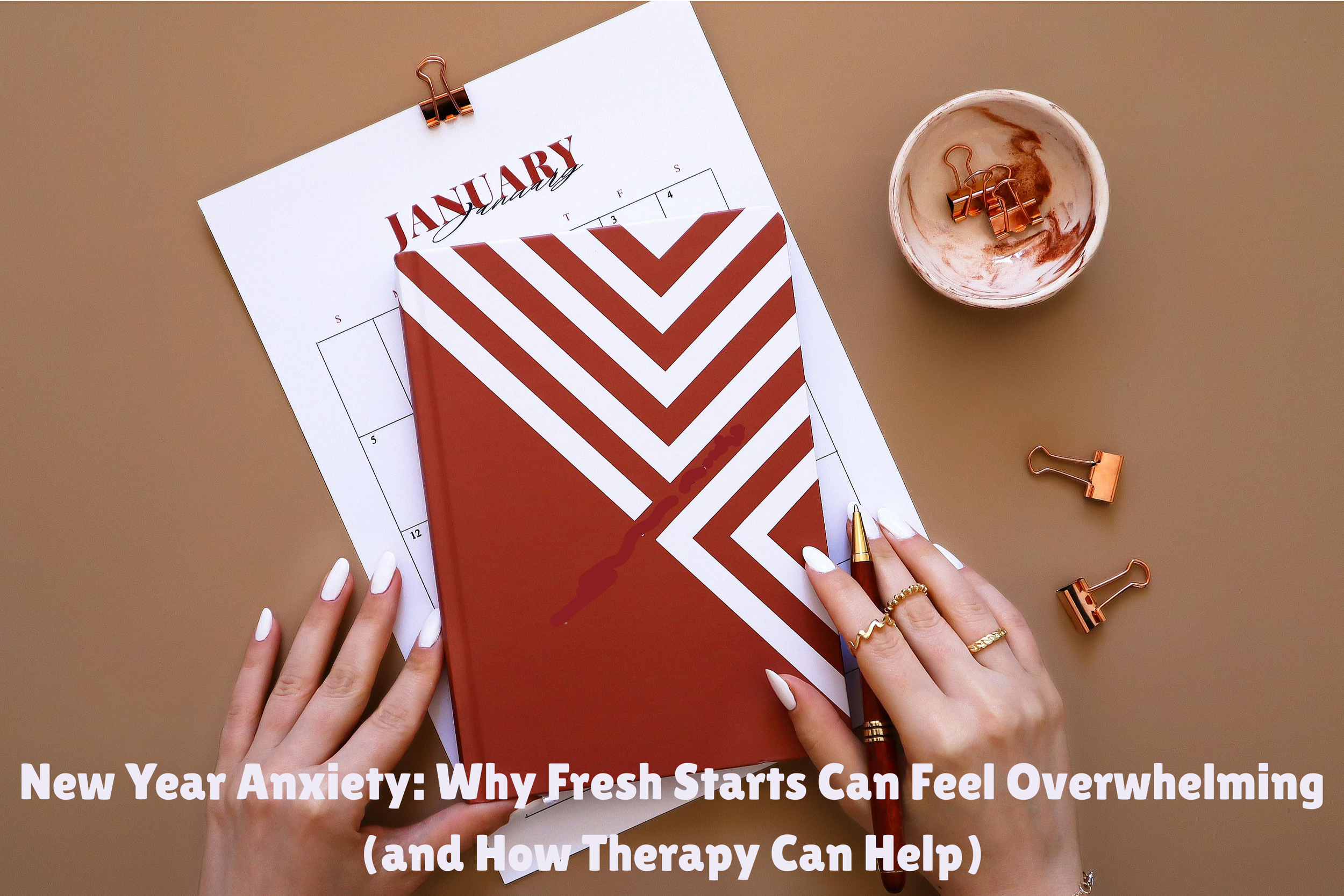
New Year Anxiety: Why Fresh Starts Can Feel Overwhelming (and How Therapy Can Help)
The new year is often framed as a fresh start—but for many people, it brings increased anxiety, pressure, and self-doubt. If you’ve noticed your stress spike as the calendar turns, you’re not alone. This post explores why the new year can intensify anxiety, how it shows up emotionally and physically, and how therapy can help you move into the year with more clarity, compassion, and support.